Angli is a mobile English-learning app designed as part of my final B.A. seminar in Psychology, exploring how microcopy influences learners’ self-efficacy and persistence.
The app is fully in Hebrew and offers short, focused exercises in Vocabulary, Grammar, Speaking, Listening, and Games to support daily learning.

Angli
Jump to Results
Role: UX Research, UI Design, UX writing
Tools: Figma, AI Tools, Google Forms
Angli
Angli is a mobile English-learning app designed as part of my final B.A. seminar in Psychology, exploring how microcopy influences learners’ self-efficacy and persistence.
The app is fully in Hebrew and offers short, focused exercises in Vocabulary, Grammar, Speaking, Listening, and Games to support daily learning.
Role: UX Research, UI Design, UX writing
Tools: Figma, AI Tools, Google Forms
Problem statement
Many learners struggle to stay motivated when using English-learning apps.
Existing platforms often rely on complex interfaces, unclear instructions, and neutral or robotic microcopy that fails to support users emotionally.
As a result, learners, especially beginners, experience low self-efficacy, reduced confidence, and difficulty maintaining consistent practice.
Research
Research Goals
The research aimed to explore:
• how microcopy affects learners’ self-efficacy
• whether positive microcopy increases motivation and persistence
• which type of feedback supports confidence during digital learning
Methodology
To understand users’ emotional and cognitive responses, we conducted mixed-methods research:
60 participants completed a structured Google Forms questionnaire evaluating their experiences with learning apps, difficulty levels, motivation, and clarity of instructions.
10 in-person interviews were conducted, where participants interacted with two prototypes, One design with positive microcopy and One design with neutral microcopy.
Participants were asked to perform identical tasks in both prototypes, allowing us to observe changes in confidence, frustration, clarity of understanding, and task persistence.
Key Insight
Participants reported higher self-efficacy and stronger motivation when exposed to positive microcopy (“Great job!”, “You’re improving!”, “Keep going!”).
Neutral microcopy resulted in more confusion and lower confidence, especially among beginners.
Hebrew instructions improved clarity and reduced cognitive load across all age groups.
Short, focused exercises increased willingness to continue practicing.
Users expressed a preference for emotionally supportive interfaces in learning contexts.
Self Efficasy: Positive VS Neutral Microcopy
Solution





A Consistent Character to Build Emotional Safety
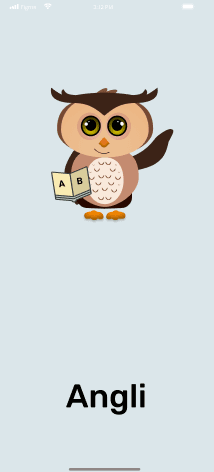
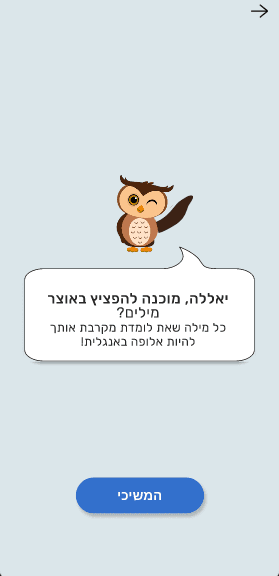
To reduce learners anxiety and increase confidence, I introduced a recurring mascot, the Angli owl.
The character appears across exercises, hints, and feedback moments, creating a warm, supportive presence throughout the experience.
This helps users feel guided rather than judged, especially beginners who struggle with self-efficacy.
Positive Microcopy to Boost Self-Efficacy
To strengthen users’ confidence and support sustained engagement, the app incorporates positive, encouraging microcopy after both correct and incorrect answers.
This approach reinforces persistence, reduces frustration, and helps learners feel capable throughout the learning process.
Full prototype
More projects
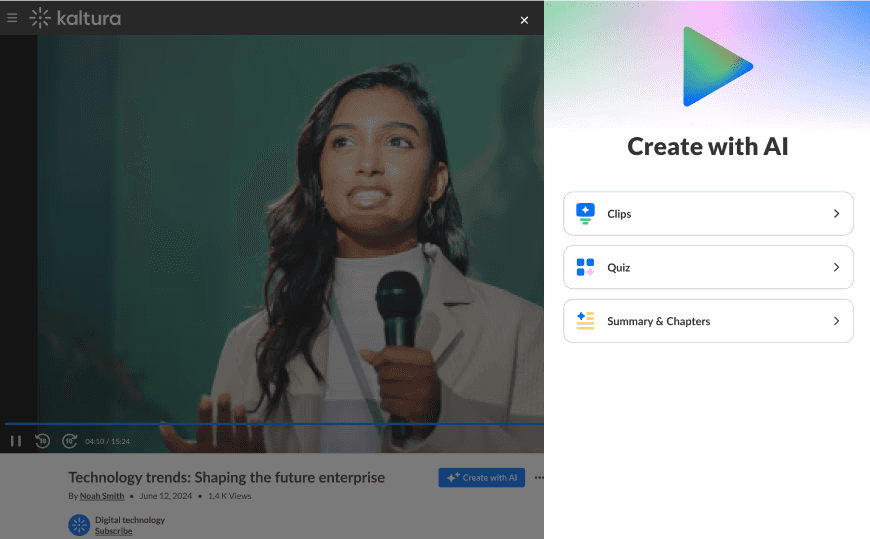
Kaltura
Ai- powered summary & chapters


EMS complex system
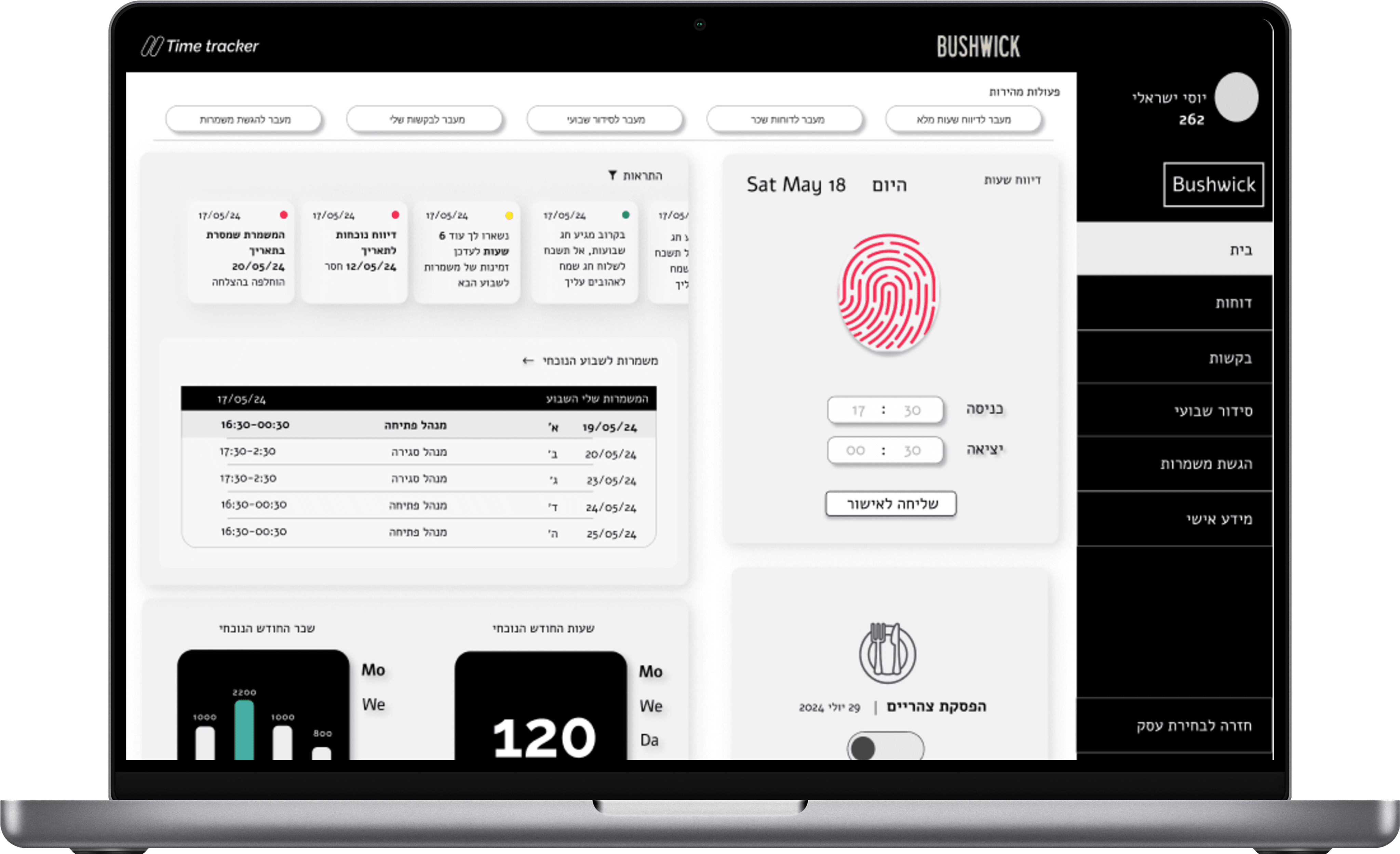
Timetracker
Shift & Time Management System
EMS complex system
Problem statement
Many learners struggle to stay motivated when using English-learning apps.
Existing platforms often rely on complex interfaces, unclear instructions, and neutral or robotic microcopy that fails to support users emotionally.
As a result, learners, especially beginners, experience low self-efficacy, reduced confidence, and difficulty maintaining consistent practice.
Research
Research Goals
The research aimed to explore:
• how microcopy affects learners’ self-efficacy
• whether positive microcopy increases motivation and persistence
• which type of feedback supports confidence during digital learning
Methodology
To understand users’ emotional and cognitive responses, we conducted mixed-methods research:
60 participants completed a structured Google Forms questionnaire evaluating their experiences with learning apps, difficulty levels, motivation, and clarity of instructions.
10 in-person interviews were conducted, where participants interacted with two prototypes, One design with positive microcopy and One design with neutral microcopy.
Participants were asked to perform identical tasks in both prototypes, allowing us to observe changes in confidence, frustration, clarity of understanding, and task persistence.
Key Insight
Participants reported higher self-efficacy and stronger motivation when exposed to positive microcopy (“Great job!”, “You’re improving!”, “Keep going!”).
Neutral microcopy resulted in more confusion and lower confidence, especially among beginners.
Hebrew instructions improved clarity and reduced cognitive load across all age groups.
Short, focused exercises increased willingness to continue practicing.
Users expressed a preference for emotionally supportive interfaces in learning contexts.
Self Efficasy: Positive VS Neutral Microcopy
Solution
A Consistent Character to Build Emotional Safety
To reduce learners anxiety and increase confidence, I introduced a recurring mascot, the Angli owl.
The character appears across exercises, hints, and feedback moments, creating a warm, supportive presence throughout the experience.
This helps users feel guided rather than judged, especially beginners who struggle with self-efficacy.
Positive Microcopy to Boost Self-Efficacy
To strengthen users’ confidence and support sustained engagement, the app incorporates positive, encouraging microcopy after both correct and incorrect answers.
This approach reinforces persistence, reduces frustration, and helps learners feel capable throughout the learning process.
Full prototype
Let's Connect
stavofek565@gmail.com
054-4468426